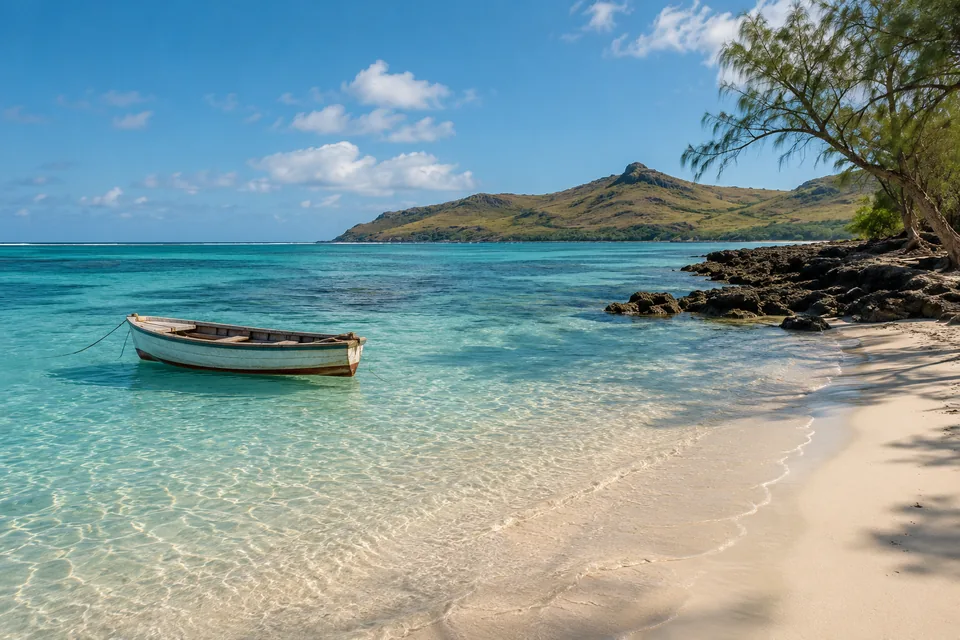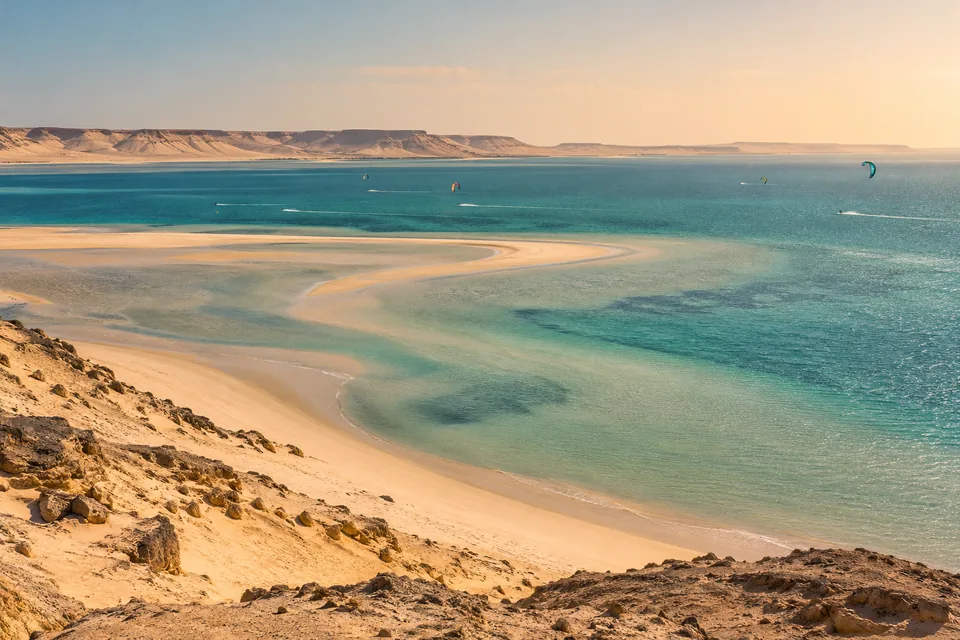
Dakhla combines a long Atlantic peninsula, a sheltered lagoon and an arid hinterland. A useful first trip balances a supervised water-sports session, a guided landscape excursion and time in town. Choose a base according to your main interest: lagoon camps suit activity-led stays, while town accommodation makes everyday services and restaurants easier to reach.
Dakhla is in Moroccan-administered Western Sahara, a disputed territory listed by the United Nations as a Non-Self-Governing Territory. It is often marketed within Moroccan tourism itineraries. That marketing convention does not settle its political status. Check travel advice for Western Sahara as well as the rules relevant to your route through Morocco.
Before you choose your activities
| Decision | What to establish |
|---|---|
| Trip length | Four to six nights is a flexible editorial starting point |
| Base | Town convenience or a lagoon-centered activity stay |
| Water sports | Instruction level, rescue cover, equipment and weather policy |
| Excursions | Exact route, driver, permissions and return arrangements |
| Costs | What the package includes and what is charged separately |
| Safety | Current advice, insurance scope and local conditions |
This is a newly written guide retaining the historical article’s 17-activity identity. Indexed headings were available, but the text below is a replacement. Several older claims about wildlife, access and therapeutic experiences were not suitable to repeat without reliable support.
1. Take a kitesurfing lesson on the lagoon
Kitesurfing is one of Dakhla’s principal visitor activities. The regional tourism site lists it alongside other lagoon and desert experiences. For a beginner, the quality of instruction matters more than a dramatic photograph of someone riding far offshore. Ask about group size, instructor qualifications, communications and rescue arrangements.
Discuss your swimming ability honestly and confirm what happens when the wind is unsuitable. A lesson package should explain the difference between instruction time and waiting time. Experienced riders should still take local guidance on launch areas, tides and other users. Wind sports are weather-dependent; leave room for a land day rather than booking every hour around guaranteed conditions.
2. Visit the White Dune with a responsible operator
The White Dune is a signature landscape stop in Dakhla tourism. The Moroccan National Tourist Office includes it among the area’s attractions. Confirm how your operator approaches the site and which activities are appropriate on the day. Tide, wind and the condition of tracks can change the experience.
Bring water and protect your camera from blown sand. Avoid walking close to unstable edges or following vehicle tracks into places your guide has not approved. The best visit allows time to look across the lagoon instead of racing from one photograph to another. Ask whether a stop is shared with other travelers and how long you will actually spend there.
3. Understand the peninsula’s two coasts
The ocean side and lagoon side should not be treated as interchangeable beach environments. Use a guided drive or a locally advised route to see how the peninsula separates them. Keep this as an orientation outing, with pauses for views rather than an assumption that every stretch is suitable for swimming.
Check the return route before leaving town, especially if combining several stops. A mapped distance does not account for an unsuitable track or a road closure. Carry water and sun protection even when traveling mainly by vehicle. If a driver proposes an unplanned detour, ask where it goes and whether it changes the agreed time or price.
4. Ask about a guided Dragon Island outing
Dragon Island appears in official tourism promotion, but access arrangements should be confirmed with a local operator. Do not copy an older blog’s promise that one transport method always works. Ask about tides, landings, supervision and whether the excursion includes time on shore or is mainly a scenic boat trip.
Choose a licensed service with appropriate safety equipment. Wildlife and landscape viewing do not require collecting shells, disturbing birds or walking beyond permitted areas. If conditions change, accept an alternative route or cancellation. A natural attraction is not a fixed performance, and a responsible operator should be willing to explain when a visit is unsuitable.
5. Look for desert wildlife without chasing it
The desert environment invites close observation, but sightings should never be guaranteed. A quiet outing with someone who understands the habitat can reveal more than a fast drive promising dramatic animals. Ask which species are plausible for the actual route and whether the guide follows wildlife-viewing standards.
Do not feed animals, pursue them in a vehicle or support staged encounters. Keep a respectful distance and use binoculars where useful. This guide does not repeat older descriptions of a convenient visitor “national park” offering assured encounters: a named protected area and its access rules need specific verification. Enjoy the landscape even when wildlife remains out of sight.
6. Consider Asmaa only after checking present conditions
Asmaa thermal spring has appeared in older Dakhla itineraries. Treat it as a conditional stop rather than an essential bathing experience. Ask a current operator about public access, facilities, water conditions and whether visiting is appropriate. We have not verified a dependable operating schedule, admission charge or water temperature.
A thermal-water label does not establish cleanliness or medical benefit. If you have health concerns, seek individual clinical advice before using unfamiliar bathing facilities. You can simply omit the stop and spend longer at the lagoon. Never feel obliged to enter water because it was included in an excursion package or described enthusiastically in an old article.
7. Observe Imlili’s unusual desert pools
Imlili is known in excursion itineraries for pools within an arid landscape. Visit only with an operator who can explain the route and the ecological rules. The attraction is the contrast between water and desert; it does not need to become an interactive wildlife treatment.
Older accounts describe putting feet in pools as a “fish spa” and attach health claims. This guide does not recommend that practice or repeat those claims. Observe without introducing sunscreen, food or other contaminants into sensitive water. Ask the guide how the visit limits disturbance and whether any access restrictions apply on the intended date.
8. Leave time for the lagoon at changing light
A quiet shoreline stop can provide a welcome contrast to a busy activity schedule. Ask your accommodation where visitors may sit without entering a sports launch area or private property. Watch the changing colors, bring a layer and keep your return transport settled in advance.
Avoid assuming that a lagoon-facing beach has an unobstructed view of the sun setting into the Atlantic. Orientation varies around the bay. The point is the atmosphere and reflected light, not a guaranteed composition. Stay aware of rising water and do not walk far onto exposed flats just to get closer to a photograph.
9. Choose a guided desert drive carefully
An excursion beyond town should have an agreed route, competent driver and a clear communications plan. Ask about seat belts, water, breakdown support and cancellation terms. A comfortable landscape tour and an aggressive dune-driving experience are different products; explain which you want before booking.
Remote driving requires particular care in Western Sahara. The FCDO’s regional guidance discusses mines, unexploded weapons and the militarized Berm. Do not improvise off-road exploration or approach restricted areas. Follow current advice and established routes, and never touch unfamiliar objects on the ground.
10. Appreciate religious architecture from appropriate public space
Dakhla’s mosques belong to active religious communities. If you include a mosque exterior in a town walk, stay unobtrusive, respect worshippers and ask before taking close photographs of people. Do not infer visitor access from an open door or a description in a dated travel blog.
This guide does not promise entry to the Grand Mosque or Eddarham Mosque. Ask locally about the specific site and current arrangements. Modest clothing and considerate behavior matter throughout the visit. A local guide can explain a neighborhood without presenting religious life as a spectacle or interrupting prayer.
11. Book a fishing trip with clear terms
Fishing excursions should be assessed as boat trips first. Establish the vessel, skipper, safety equipment and expected sea conditions before discussing the catch. Ask whether the price covers tackle, transfers and any required permissions, and how cancellation works if the weather deteriorates.
Do not rely on promises of a particular species or a large catch. Discuss responsible practice and what happens to fish taken. Travelers prone to seasickness should consider whether a shorter outing is more suitable. If the sea is rough or safety answers are vague, choose a land-based afternoon instead.
12. Learn to surf on a suitable ocean beach
Surfing and lagoon kitesurfing require different conditions and skills. Arrange a lesson with a school that selects a break according to your experience and explains hazards. Ask about board choice, supervision, currents and the ratio of participants to instructors.
Do not assume that a quiet beach is safe simply because few people are present. Ocean conditions may be more demanding than they look from shore. If you are not taking a lesson, enjoy watching from a safe position. Our packing guide can help you plan a small kit without carrying unnecessary equipment across every flight.
13. Add a slow recovery session
After several active days, a quiet stretch, yoga class or unhurried morning can be more useful than another long excursion. Check whether a class is actually scheduled, who teaches it and what is included. Treat it as a leisure option, without claims that it produces guaranteed physical or psychological outcomes.
Travel companions do not need identical schedules. One person can take a lesson while another reads or explores town, provided transport and meeting arrangements are clear. Protect some unscheduled time so the trip does not become an endurance test disguised as a holiday.
14. Spend time in Dakhla town
Town adds context to an itinerary dominated by camps and landscapes. Arrange a daylight walk with local advice, pause for a meal and browse everyday shops respectfully. Ask about the seafood available rather than expecting every restaurant to serve an identical visitor menu.
Know how you will return to your accommodation, particularly if it is far along the lagoon. Discuss the fare before a ride and carry the property’s location offline. Dress with awareness of local norms and ask before photographing traders or families. A thoughtful hour in a working neighborhood can be more revealing than a hurried checklist of supposed must-sees.
15. Watch birds quietly around the bay
Birdwatching works best with patience, binoculars and a guide who knows current conditions. Ask where observation is permitted and which seasonal species are plausible. Do not approach flocks across feeding areas or ask a driver to flush birds for a photograph.
A sighting is a possibility, not an entitlement. Avoid repeated drone flights or noisy activity around wildlife, and verify drone rules before bringing equipment. If birdwatching is your main purpose, request a specialist outing rather than assuming a general desert tour will devote enough time to it.
16. Try sandboarding only where appropriate
Sandboarding may be offered as part of a dune excursion. Before joining, ask whether the location is permitted, suitable for beginners and free of sensitive vegetation or wildlife areas. Check equipment, instruction and the return climb; a short slide can require a surprisingly strenuous walk back.
Skip the activity if heat, wind or physical limitations make it uncomfortable. Never turn a landscape stop into unsupervised riding near vehicles or steep edges. An operator should accept a spectator’s choice without pressure. You can enjoy the dune’s forms and textures without needing to descend it on a board.
17. Finish with an unhurried beach visit
Choose a beach stop according to access, shelter and the day’s conditions. The regional tourism site identifies coastal options including Foum El Bouir and Porto Rico. Confirm current directions and suitability locally rather than relying on a social-media pin.
Bring everything you need back with you, including small packaging. Avoid swimming alone, and do not read calm-looking water as proof of safety. A walk, picnic or short sit can be enough. Leave time for the return journey instead of ending a remote excursion at the moment daylight disappears.
Timing, transfers and a realistic itinerary
Ask your activity operator about the season that best suits your skill and interests. Wind, swell and comfort on land can pull in different directions. Check live flight options into Dakhla and arrange the airport transfer with the actual accommodation; a lagoon property can be a different journey from a town hotel.
For four full days, use day one for orientation and a lesson, day two for a guided landscape outing, day three for another water session or town visit, and day four as a weather buffer. Do not try to complete all 17 ideas. They are alternatives for building a trip, not a scorecard.
What should you budget and check?
Compare accommodation packages on equal terms: meals, equipment hire, lesson hours, transfers and excursions. A lower room rate can become more expensive once repeated transport is included. Get written quotes rather than using stale online price ranges. Keep contingency money accessible for a changed flight or an additional night.
Before paying, check insurance for the territory and the exact sports planned. Read the current Western Sahara travel advice, and consult the requirements that apply to your nationality. Keep documents, a warm layer and essential items in a manageable bag. Our hidden travel costs guide explains how to compare the total trip.
Frequently asked questions
Is Dakhla only for kitesurfers?
No. Town visits, guided landscape trips, bird observation and quiet coastal time can suit non-riders. Choose accommodation with realistic alternatives and check whether independent transfers are needed when others are taking lessons.
Can I explore the desert independently?
Do not treat unfamiliar desert tracks as casual sightseeing routes. Current security advice, restricted areas and remote support matter. Choose established, appropriately guided excursions and reject improvised detours into uncertain terrain.
Should I book every activity before arrival?
Book the essentials and understand availability, but leave weather-sensitive details flexible. A clear cancellation policy and one spare day are usually more useful than a tightly prepaid schedule that cannot adapt.