INDEPENDENT TRAVEL JOURNALDiscover remarkable places. Travel smarter.

FOR THE CURIOUS, INDEPENDENT TRAVELER

Remarkable places.
Smarter journeys.

Follow the quieter coastline. Stay for the neighborhood. Make room for the unexpected. Destination guides and thoughtful planning for a more rewarding journey.

Explore destinations
THE EXPLORER’S EDIT01 / ISLAND PERSPECTIVES
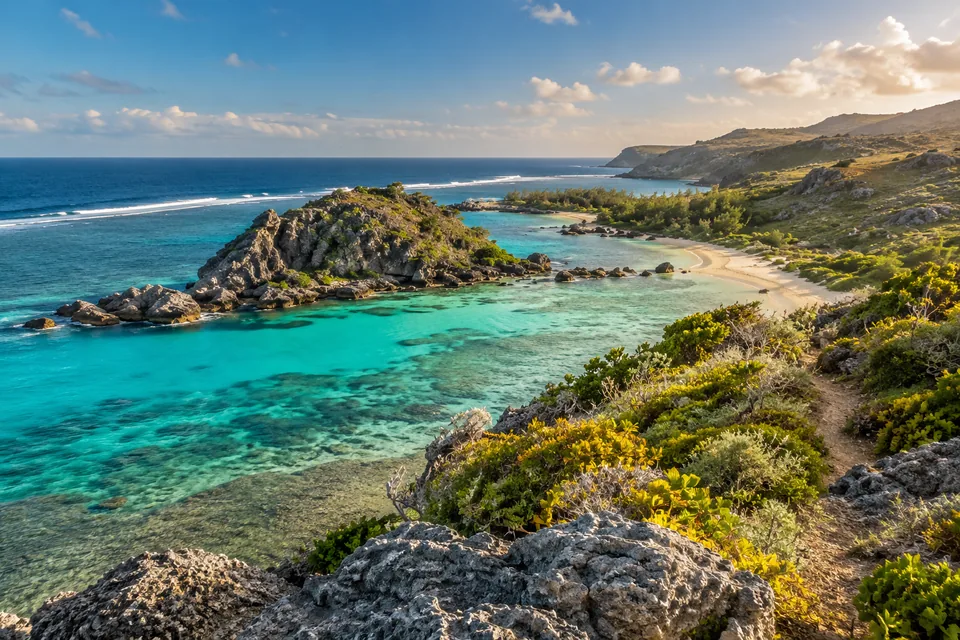
Illustrative turquoise island cove with a low coastal headland
THE QUIETER SIDE OF TRAVELFind your island rhythm →Island-inspired editorial illustration

A GOOD TRIP STARTS WITH CURIOSITY

Travel Guides Genius is an independent travel publication for people who enjoy discovering a place and understanding how to travel there well. Start with a destination that sparks your curiosity, then use practical guides to turn that interest into a manageable route. Our focus is the connection between inspiration and the decisions that shape a real day away.

THE DESTINATION COLLECTION

Somewhere worth
taking your time.

Three places, three very different rhythms. These guides connect landscapes and culture with the practical questions behind a first visit: where to stay, how to move around, what deserves time and which details need a fresh check. Choose a destination for its character, then shape the itinerary around the conditions you will actually encounter.

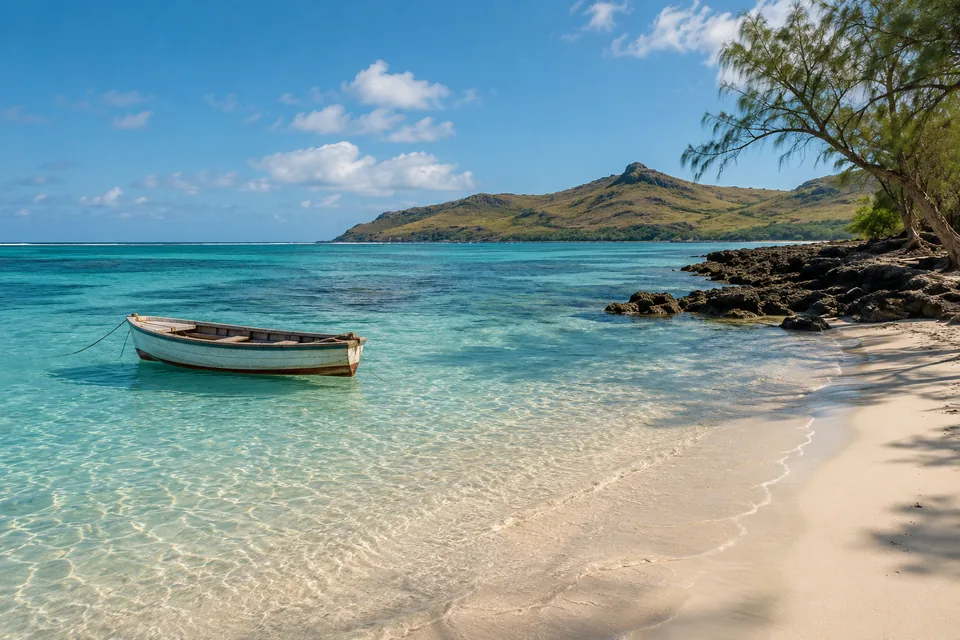
Rodrigues-inspired lagoon illustration with a wooden fishing boat01

Indian Ocean · Mauritius

A quieter island, a richer journey

Rodrigues invites a slower kind of island journey. Walk toward a small eastern cove, spend a morning around Port Mathurin and give a guided reserve visit the attention it deserves. The lagoon is an opportunity for carefully chosen activities, while the interior helps explain how people live beyond the shoreline. Several nights create room for weather changes and conversations that do not fit a tight day trip.

Explore Rodrigues
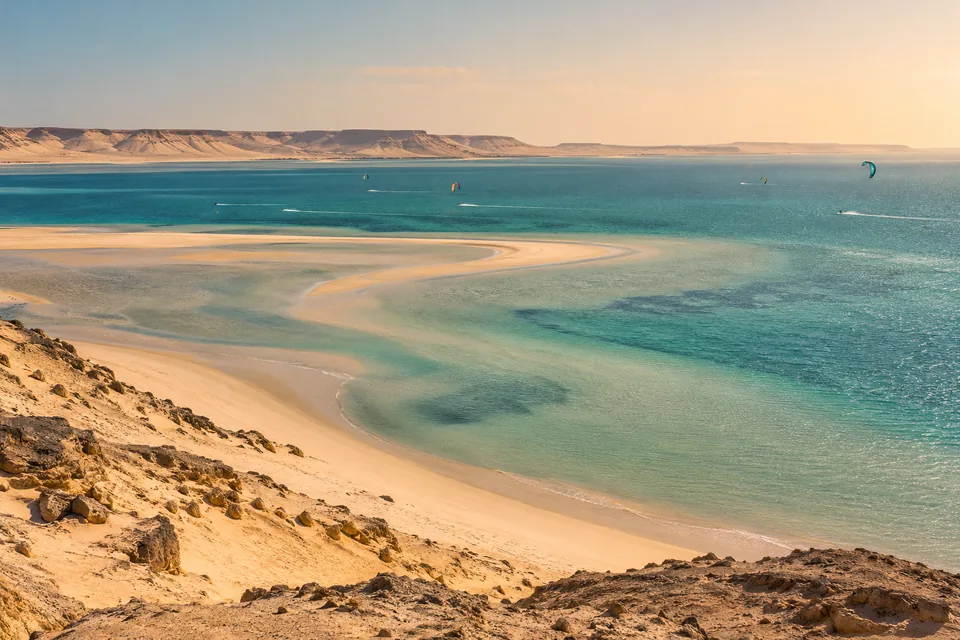
Dakhla-inspired desert and lagoon illustration with distant kites02

Atlantic coast · Western Sahara

Where the desert meets the Atlantic

Dakhla asks you to think about wind, water and distance. The lagoon, ocean coast and desert support different experiences, so choose an activity and a base that suit your ability. Our guide retains the historical 17-idea structure while revisiting access and environmental claims. It also explains that Dakhla is in Moroccan-administered Western Sahara, a disputed territory, rather than allowing tourism language to obscure the setting.

Explore Dakhla
Georgetown-inspired timber streetscape illustration with verandas and palms03

South America · Guyana

A capital with stories in every detail

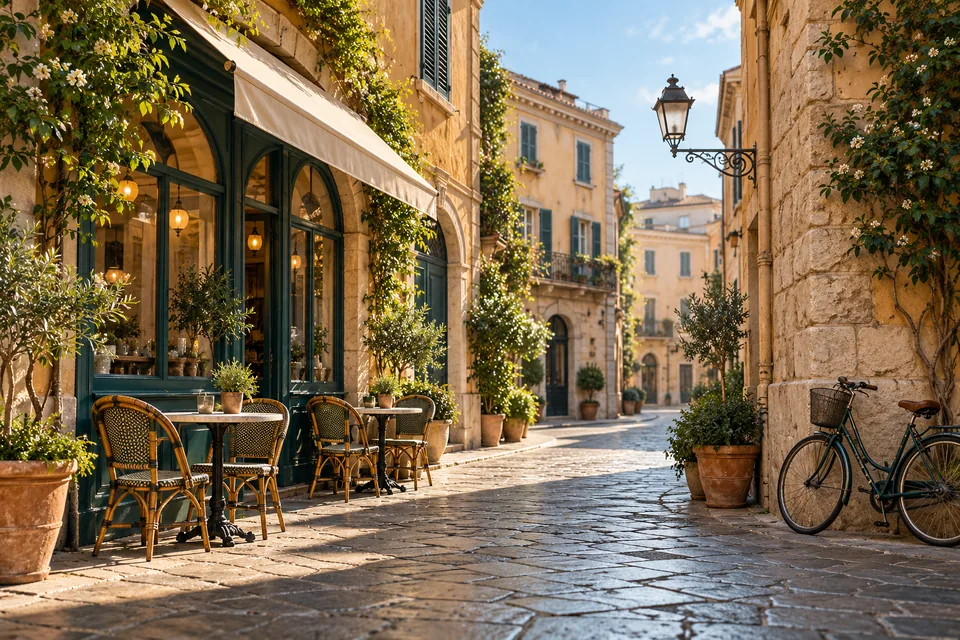
Georgetown rewards an informed introduction to Guyana through timber architecture, markets, museums and food. A thoughtful city visit combines local interpretation with reliable transport and sensible timing. Give the capital a day of its own before continuing to the interior. Cathedral details, a market ingredient or a conversation about cricket can reveal more than a hurried sequence of stops between an airport and the next excursion.

Explore Georgetown

BEYOND THE FAMILIAR ROUTE

Go for a place.
Stay for its character.

A less familiar destination is not automatically a better one. What matters is whether it suits your interests, time and comfort with the journey. A small island may reward a longer stay, while an unfamiliar capital can become accessible through a good guide and a carefully chosen base. We look for those practical connections rather than treating travel as a competition to find somewhere nobody else has visited.

Begin with the experience you want: a coastal walk, an architectural history, a meal that opens a conversation, or time on the water. Then ask what the place requires. Weather, transport and local expectations are part of its identity. A useful guide makes those realities visible so you can choose with confidence and leave enough space to enjoy what you find.

FOLLOW YOUR CURIOSITY

What kind of journey?

Six ways into the guide library
01

Islands & beaches

Choose a shore for more than its color. Consider walking access, sea conditions, shade and the time needed to reach it. Rodrigues offers a starting point for a stay that combines coastal scenery with the island’s everyday life.

02

Culture & cities

Give a city a question to answer. Architecture, food or a museum can provide the thread that connects a day. Begin with Georgetown and build a route that leaves time for local context as well as recognizable landmarks.

03

Adventure & outdoors

Choose the right instruction, equipment and conditions before choosing the most dramatic activity. Dakhla’s lagoon and desert show why an outdoor itinerary works best when it can change with weather and the abilities of the group.

04

Hidden gems

Look beyond a familiar shortlist without assuming quiet places are empty or undiscovered. Our destination collection starts with three distinctive settings and asks how visitors can explore them with consideration for the people who already call them home.

05

Weekend escapes

A short break benefits from a clear focus. Choose a practical neighborhood, one anchor experience and nearby options. The goal is enough structure to relax, with space for a long lunch or an unexpected street that deserves another look.

06

Travel essentials

Good preparation removes friction without filling every hour. Check the rules that apply to your journey, pack for the days you have planned and keep the important details accessible when a battery, connection or timetable lets you down.

THE PRACTICAL SIDE OF WONDER

Less friction.
More freedom to explore.

Smart travel planning →
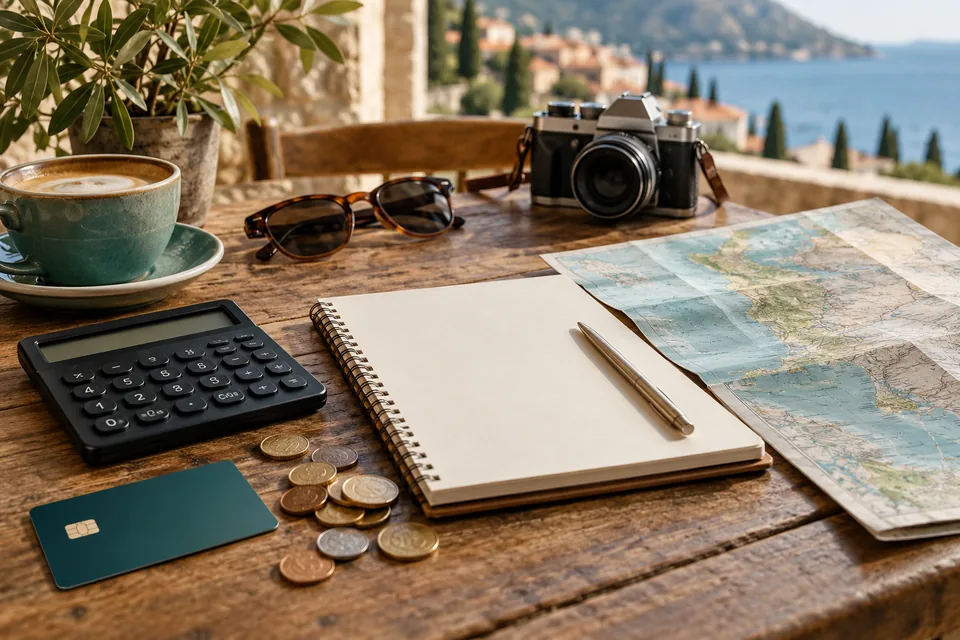
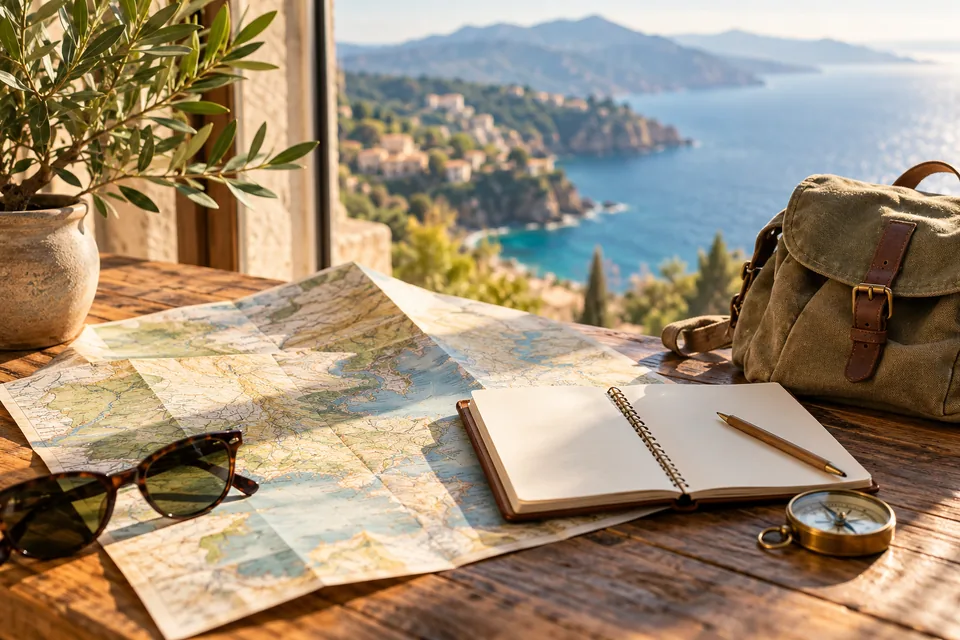
Illustrative travel-planning desk with a notebook and map
Original editorial illustration.

A SIMPLE PRINCIPLE

Plan the essentials.
Leave room for the day.

A workable route, a manageable bag and a little margin can change the whole journey.

01

Build a route you can enjoy

Count usable days rather than nights on a booking screen. Each change of base includes checkout, travel and settling in, even when the ticket looks quick. Group experiences geographically and decide where a longer stay will be more rewarding than another destination. Our multi-city guide includes a transport-and-bag matrix and a sample rhythm for balancing movement with time to explore.

02

Let the smallest allowance shape the bag

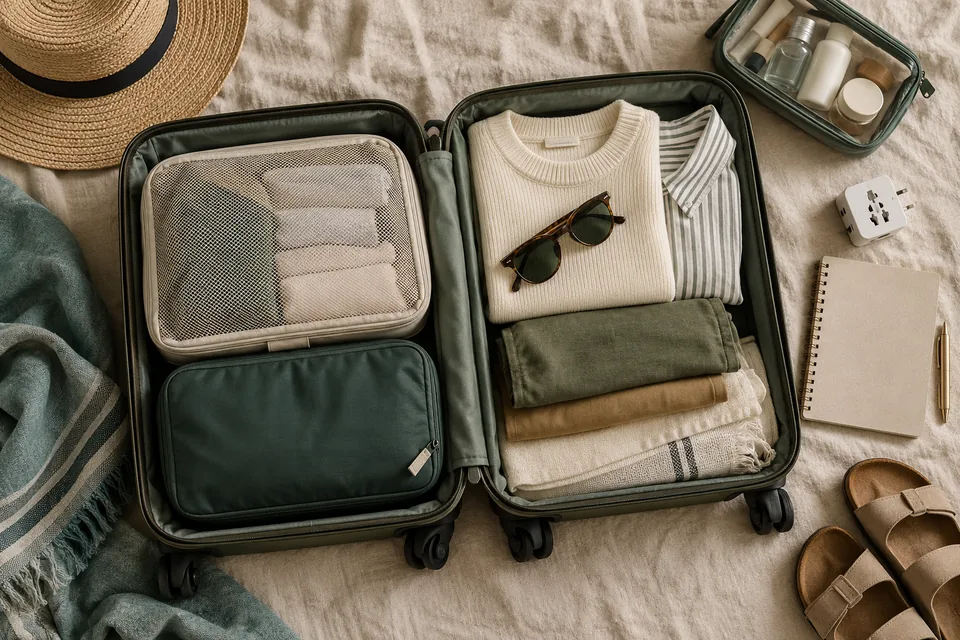
A long-haul flight, regional connection and event entrance can all treat the same bag differently. Use BaggageBase’s airline baggage guidance to organize your initial research, then confirm the fare-specific rules with each operating carrier. Pack a wardrobe that repeats well, schedule laundry and keep essentials accessible. A bag should work through the whole trip, including the least convenient stairs and transfer.

03

Make the event journey part of the itinerary

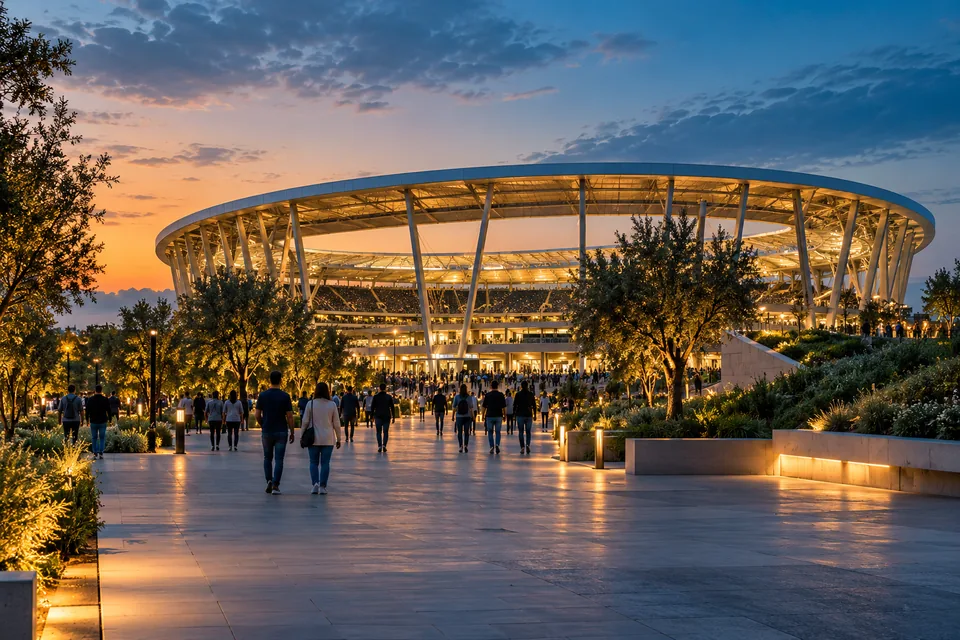
A concert or match can give a trip its fixed point, but arrival and the return deserve equal attention. VenueGuideHQ’s parking and arrival resources can help identify logistics to investigate. Verify the final route with the venue and official transport operator. Choose a realistic entrance, allow time for crowds and know how you will reach accommodation after the last performance or whistle.

04

Check the bag before the queue

Venue rules can differ by event, not only by building. BagPolicyGuide’s event bag-policy resources provide a research starting point, while the organizer’s current notice decides what is permitted. Check dimensions, contents and any exemption procedure. A clear bag is not automatically compliant, and a cabin suitcase rarely belongs in an entry queue. Arrange verified storage before leaving your room.

International preparation works best in layers. Establish documents and permissions first, confirm the route and accommodation next, then refine clothing, equipment and daily plans. A beautiful itinerary cannot compensate for an entry requirement overlooked until check-in. Use the relevant government and operator sources for consequential decisions rather than relying on a generic checklist or another traveler’s passport experience.

The IATA passenger baggage overview is useful background for understanding why carrier rules need individual checking. It does not replace your booking conditions. The same principle applies to museum access, boat departures and airport connections: an independent guide explains the questions, while the responsible operator provides the current answer for your date and circumstances.

FROM THE JOURNAL

Good ideas for
the journey ahead.

Use these practical stories at the stage when they help most. Before booking, compare the full trip cost and the route. Before departure, review packing and connection arrangements. Before an event, confirm entry and the return. Every article offers a concrete framework rather than a promise that one method suits every traveler.

THE WORLD, A LITTLE CLOSER

Find your next chapter.

Choose the setting that matches your next trip. The collection is intentionally focused: every destination below has a complete guide. Use the region filters to narrow the options, then compare the kind of experience each place offers. No empty destinations or imaginary itineraries sit behind the cards.

3 destination guides

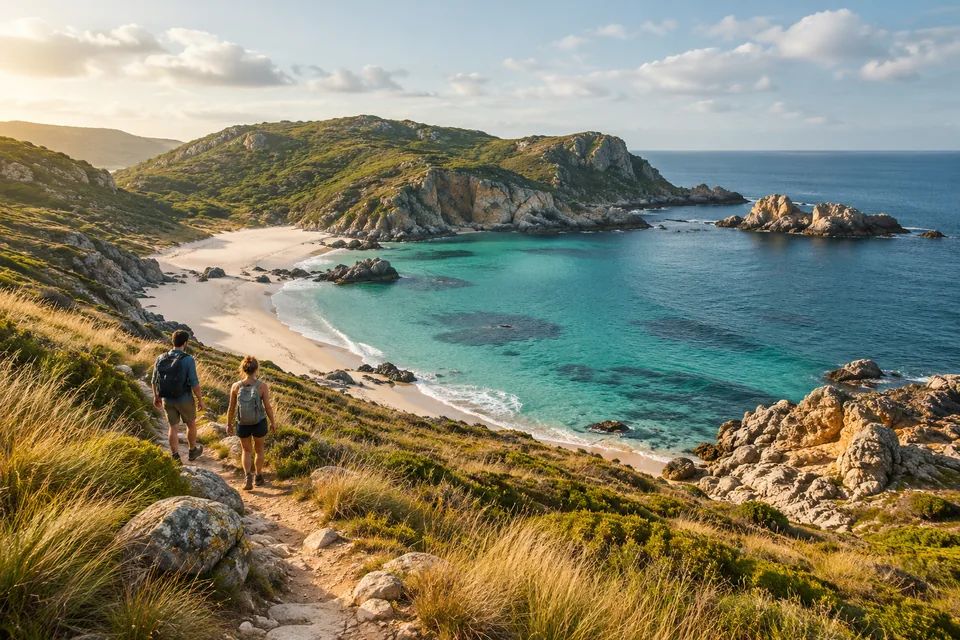
Illustrative walkers on a trail above a turquoise bay
Editorial illustration; inspired by the setting, not a documentary photograph.

TRAVEL WITH CONSIDERATION

Be curious.
Leave a lighter trace.

Travel with curiosity and a sense of proportion. Ask before photographing people, listen when a guide explains a boundary and remember that a market or neighborhood continues working after visitors leave. A smaller footprint can mean a longer stay, fewer transfers and a meal purchased directly from a local business. It can also mean accepting that a sensitive site is closed or a weather-dependent outing should not proceed.

Wildlife is not an attraction that must perform on schedule. Choose observation over feeding or handling, keep a respectful distance and avoid operators who promise encounters through disturbance. On the coast, a bright lagoon or empty cove is not proof of safe swimming. Let conditions and competent local advice guide the choice. A good journey leaves room to change its plan without losing its purpose.

HOW TO USE OUR GUIDES

Inspiration, with context.

We distinguish destination context from details that need checking again. Architecture and geography help explain a place; opening hours, prices, entry permissions and transport schedules can change. Source links appear where they help with the decision, and practical recommendations are presented as planning suggestions. We do not invent first-hand visits, staff credentials or a history of field testing.

The three destination guides use historical URL paths. Their current text is newly written, with the Dakhla outline informed by accessible indexed material. Images are original editorial illustrations with photographic styling, not documentary evidence of a landmark or its current conditions. This distinction lets the publication offer visual inspiration while keeping factual claims grounded in the written guide and its sources.

Read our editorial approach →

A READING LIST, NOT ANOTHER INBOX

Your next journey
starts with a good idea.

Keep a small reading list for the next journey. Start with one destination guide, add the planning article that resolves your biggest uncertainty and return to the official sources before booking. You do not need another crowded inbox to travel thoughtfully. Our guide library is available whenever the next idea begins to take shape.

Browse the guide library →

Find your next good idea.

Search covers the ten published guides. Browse the library